
An on-site assessment provides the foundation for building a credible MRV framework by connecting real industrial activities with measurable and verifiable emissions data. Through the Digital MRV approach, CarbonCore combines field observations with digital infrastructure to ensure emissions data is accurate, transparent and verification-ready. Rather than relying solely on historical records or manual reporting, site visits allow operational processes to be observed directly, ensuring that future carbon accounting reflects actual facility conditions.
The visit focused on gaining a comprehensive understanding of the tyre pyrolysis plant’s operations, from raw material storage and handling to processing equipment and production workflows. This on-site assessment enables CarbonCore to establish a reliable baseline for future emissions monitoring and develop an MRV framework tailored to the facility’s operational environment.
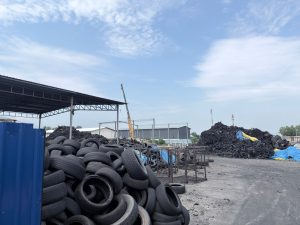
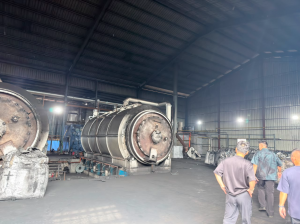
Site assessments play a critical role by helping organizations:
- Identify key emission sources throughout the production process.
- Understand operational workflows and material flows.
- Review existing monitoring and record-keeping practices.
- Determine opportunities for automated data collection.
- Establish credible baseline data for future reporting and verification.
This field-based approach improves both the quality and credibility of carbon data before it enters any digital reporting system.
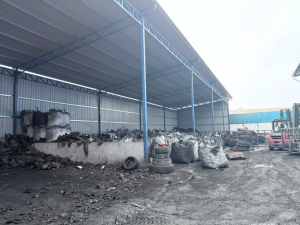
Beginning with a comprehensive on-site assessment ensures that emissions data is grounded in actual facility operations. This creates a transparent and verifiable data trail that strengthens confidence among project developers, verification bodies, investors, and other stakeholders.
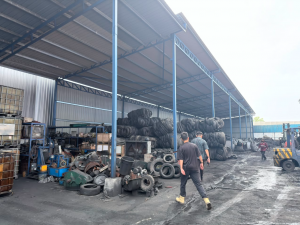
By combining field observations with digital monitoring, CarbonCore enables organization to improve data integrity, simplify reporting processes, and enhance readiness for independent verification – laying the foundation for more transparent carbon reporting and a more trusted carbon ecosystem.